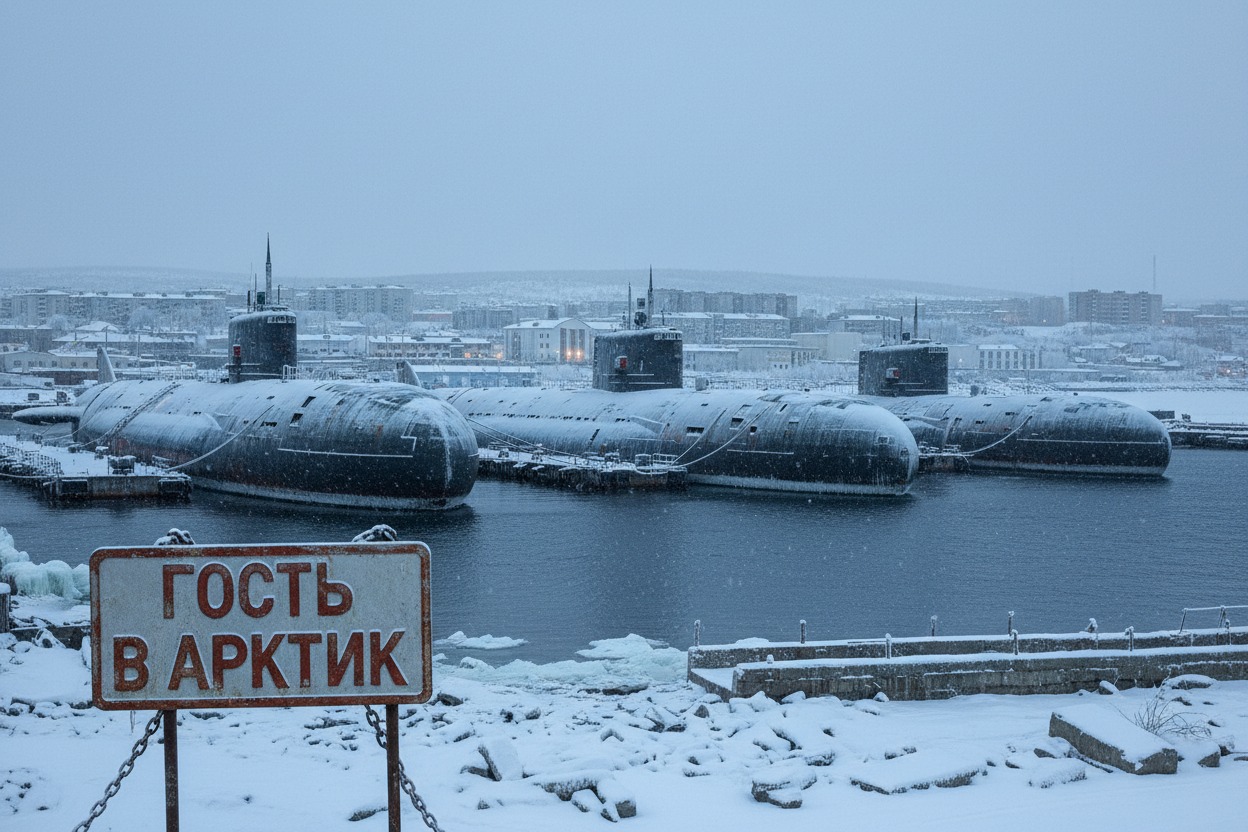
In the frozen port city of Murmansk, Russia’s northern coast bears chilling testimony to history’s forgotten monsters—nuclear submarines that once patrolled beneath the Arctic ice, now vanished, their stories erased from official records. These are more than the rusting hulks of a bygone era: they are radioactive ghosts, vanished in silence, leaving behind secrets, corruption, and a legacy of environmental disaster.
What truly happened to these ships—the world’s most dangerous weapons—when no one was supposed to notice their disappearance?
Hidden in Plain Sight: The Birth of Murmansk’s Ghost Fleet
During the height of the Cold War, Murmansk’s sprawling shipyards became the incubator for the Soviet Navy’s most ambitious nuclear submarine projects. Tasked with deterring Western aggression, shipyards along the Kola Peninsula churned out dozens of cutting-edge vessels: the November, Hotel, and Echo-class submarines, among others—symbols of raw Soviet military power.
But the collapse of the Soviet Union triggered chaos. Military budgets evaporated. Maintenance regimes failed. Soon, aging, radioactive behemoths became costly reminders of lost glory. Moscow announced systematic dismantlement and disposal, cycling reams of classified documents through bureaucratic machinery to create the illusion of control. Yet, as the paper trail grew murkier, whole classes of submarines simply disappeared—without a trace, official or otherwise.
Example:
The K-123, a rapid attack submarine of the Alfa class, was listed as “dismantled” by the late 1990s. Decades later, satellite imagery and whistleblower accounts revealed a vessel matching her specifications lingering at Shipyard No. 82. Later, it too vanished—her final fate never logged. Stories like K-123’s are not isolated, but emblematic of systemic obfuscation.
A Bureaucratic Labyrinth: How Navy Giants Slip Through the Cracks
So how does a nuclear submarine, bristling with technology and radioactive fuel, simply cease to exist on paper? The answer begins with systemic bureaucratic dysfunction.
After the Soviet collapse, overlapping ministries—defense, atomic energy, local governments—all jockeyed for control over the fate of these submarines. Each had its own budgets, incentives, and, all too often, vested interests in sidestepping environmental regulations and transparent reporting. Investigative comparisons of declassified logs with satellite reconnaissance have exposed glaring contradictions: subs officially “scrapped” yet still visible years later in satellite images, then suddenly absent—without explanation.
Narrative Insight:
Viktor P., a retired shipyard welder, recalls night-time operations where reactors and hulls were ferried off under military guard. “They told us it was just regular scrap,” he says. “But the Geiger counters told a different story. You could taste the metal in the air.”
The Environmental Fallout: Radioactive Ghosts in Arctic Waters
Murmansk’s disappearing fleet left behind far more than unanswered questions. Where records ran out, radioactive waste often began. Abandoned hulls, reactor compartments, and spent fuel rods were scuttled in shallow bays or buried in makeshift concrete bunkers along the Arctic coast—sites now among the most contaminated on earth.
Independent groups and local fishermen report mutations in wildlife and unexplained surges in radioactivity. Environmental watchdogs—frequently stonewalled by local authorities—have documented radioactive leaks and spikes near former docking sites. Unveiled satellite imagery reveals telltale signs: sunken hulls, prematurely abandoned dockyards, and new, seemingly hasty construction atop sealed waste.
Supporting Data:
In the late 2000s, leaked ocean surveys showed radioactive “plumes” off the Murmansk coast, directly linked to old submarine anchorages and covert underwater dumping. These are real, measurable hazards—not myths from a vanished era.
Corruption and Black Markets: Profiting from the Shadows
With little oversight, the collapse of the Soviet system turned Murmansk’s scrap into a black-market goldmine. Officials, middlemen, and enterprising criminals found new fortunes by illegally salvaging reactor fuel or selling rare alloys to Western buyers.
Some spent fuel assemblies went missing. Equipment appeared for sale in international channels despite being listed as “disposed.” These dealings, sparsely documented in Western intelligence files and declassified reports, only deepen the sense of a ghost fleet not just vanishing, but being spirited away piece by piece for profit.
Cold War Detectives: How You Can Trace the Vanishing
The story of Murmansk’s ghost fleet isn’t over—and you can be part of the investigation.
Actionable Recommendations:
- Leverage Open-Source Tools: Use platforms like Google Earth or Sentinel Hub to explore changes at Murmansk’s shipyards over time. Civilian satellite images often reveal what official records obscure.
- Cross-Reference Multiple Sources: Compare public logs, leaked documents, and news reports for discrepancies. Often, the truth lies in the gaps.
- Join Knowledge Communities: Engage with online Cold War forums, military history groups, and open-source intelligence (OSINT) communities. Share findings, photos, and insights.
- Advocate for Transparency: Support organizations pushing for declassification and environmental remediation around contaminated sites.
If there are clues in your own archives, family stories, or professional experience—now is the time to add your voice to the conversation.
Conclusion: The Shadows Long Outlast the Ships
The vanished submarines of Murmansk are more than technical mysteries; they are a lesson in the costs of secrecy, the dangers of unchecked bureaucracy, and the environmental sins quietly brushed into the Arctic’s deep waters. Their radioactive shadows linger—polluting not just land and sea, but the historical record itself.
By shining a light on these hidden histories, we expose not only the mechanisms of their disappearance but also the urgent need for accountability and remembrance.
Call to Action
Are you captivated by untold Cold War secrets? Do you hold a missing piece of the Murmansk mystery or wish to dig deeper into the shadowy corners of military history? Share your thoughts and discoveries in the comments below, subscribe to TheDarknessFallsStories for more true tales from the world’s darkest chapters, and connect with fellow history detectives at thedarknessfallsstories.com.
History’s shadows are long, but together, we can keep them from swallowing the truth.
Leave a Reply